Monday - Friday 07:30 - 17:30, Saturday 07:30 - 16:00
Hardwood Floor Sanding and Restoration in N4
Back to Portfolio
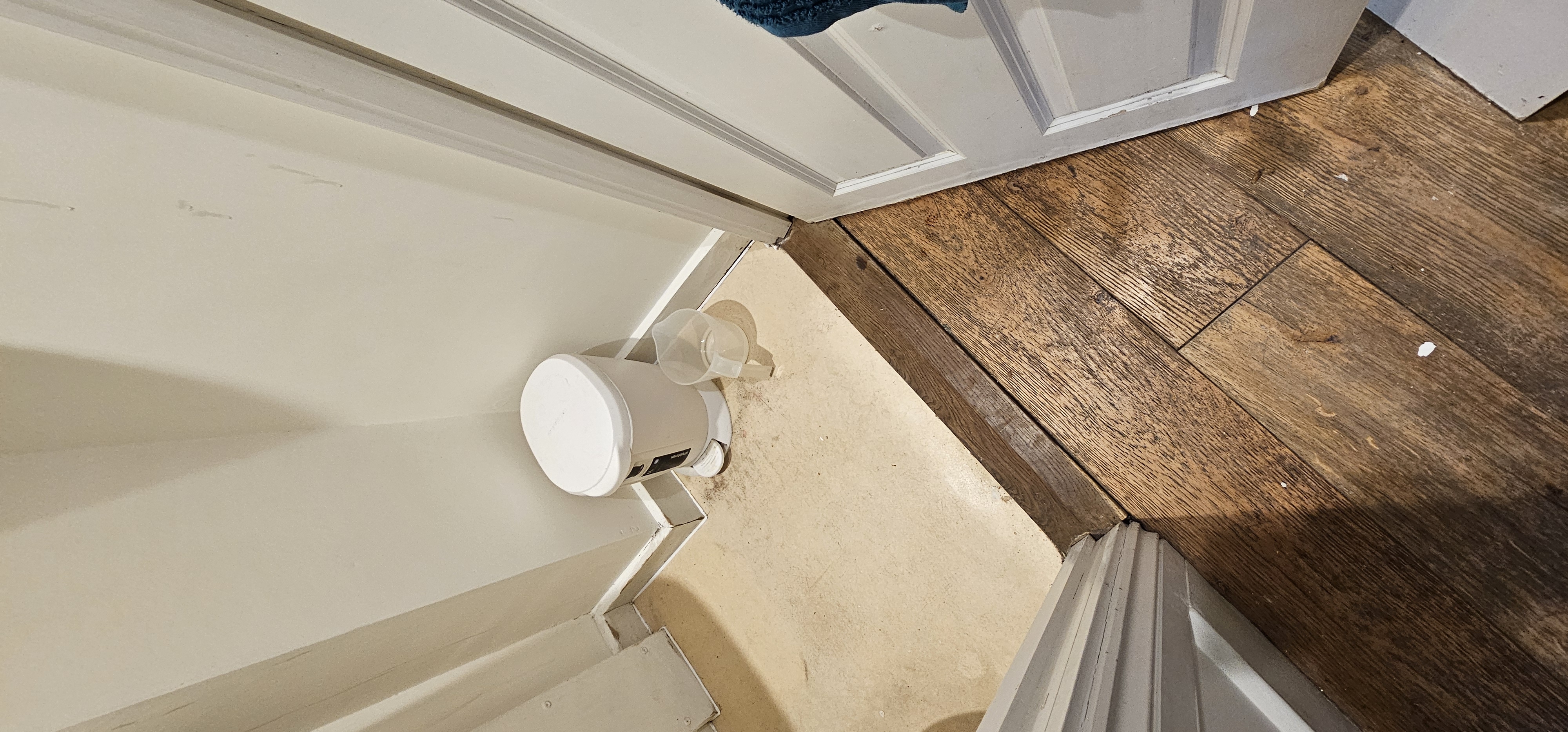
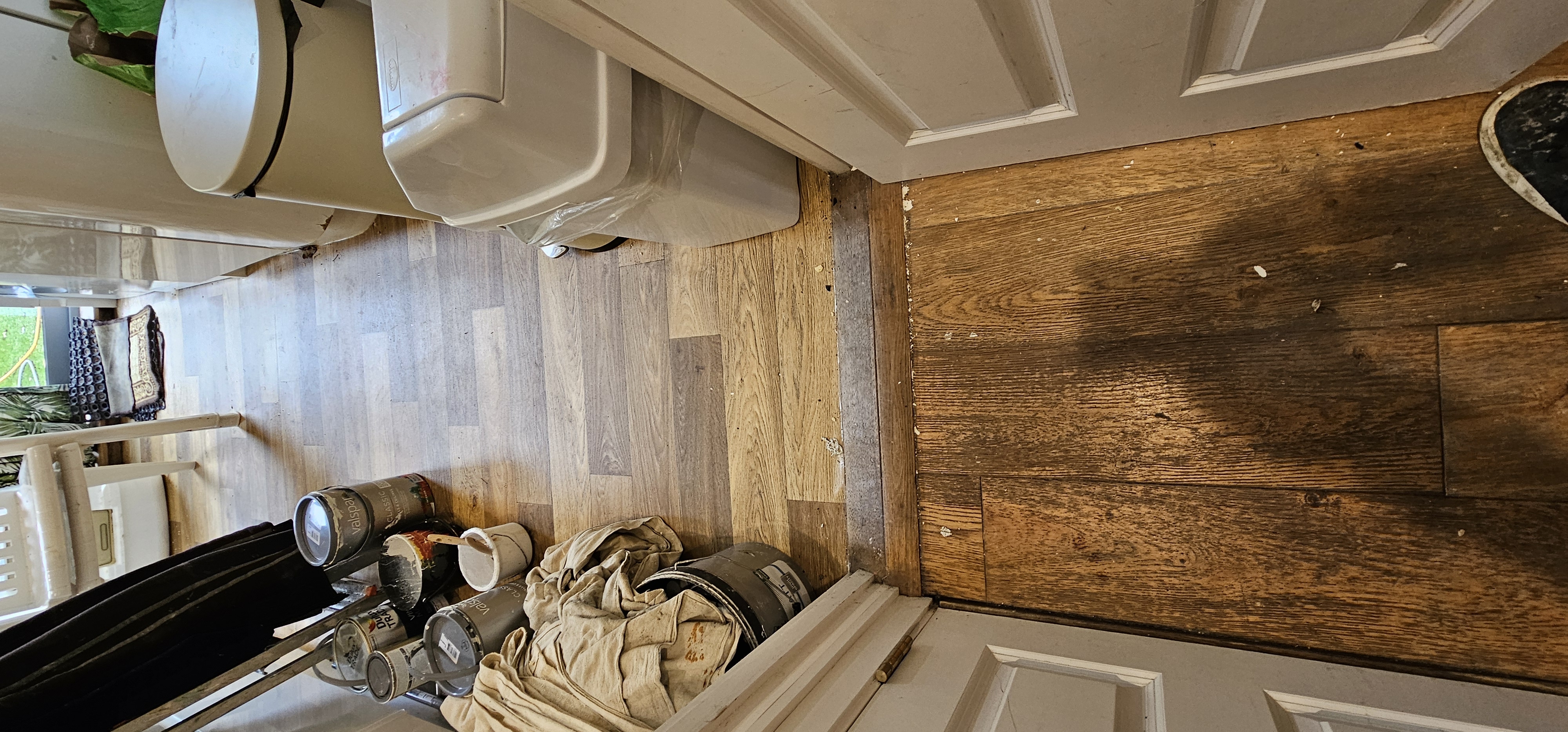
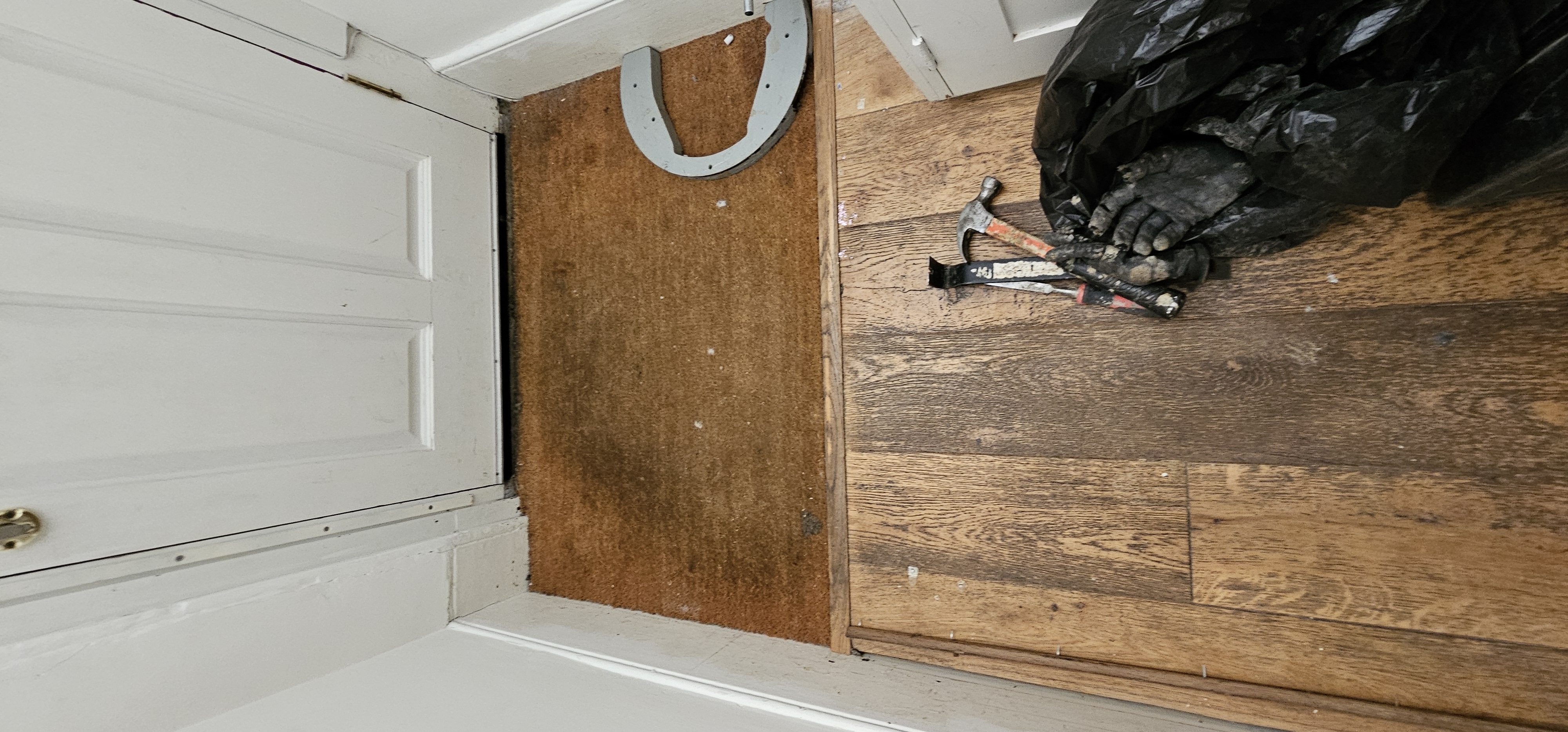
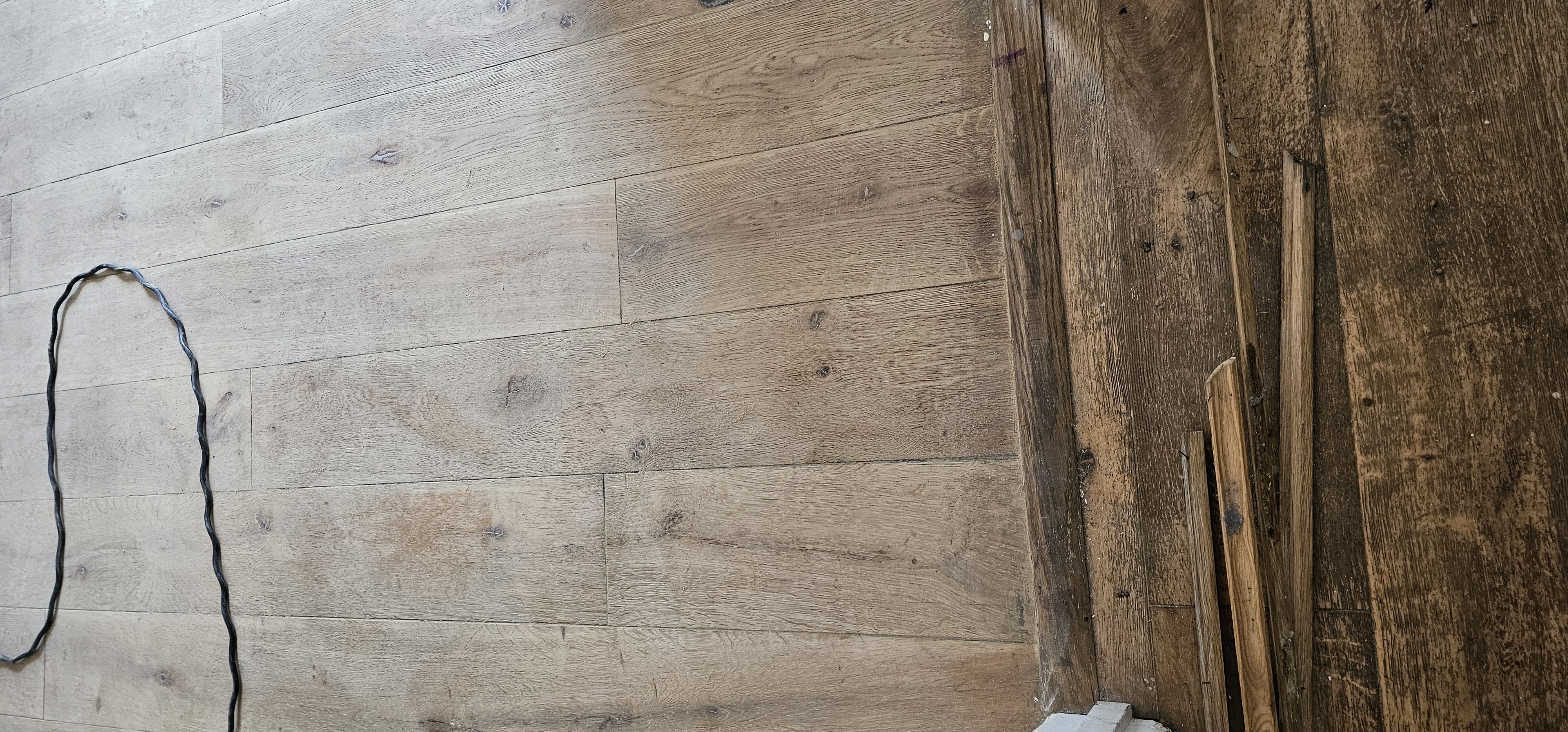
Hardwood Floor Sanding and Restoration in N4
This Victorian property in Finsbury Park had original oak flooring buried under decades of wear, scratches and an uneven finish that made the rooms feel tired. The owners wanted to restore the floors to their former character without replacing them entirely. We carried out a complete sanding and sealing project across the ground and first floors, revealing the quality timber underneath and transforming the property's overall feel.
Work carried out
- Full floor sanding using 40, 80 and 120 grit abrasives
- Edge sanding and corner finishing
- Dust containment and removal throughout
- Minor repairs to damaged boards
- Two coats of water based polyurethane sealant
- Final inspection and detailing
About the project
The flooring in this N4 property consisted of original 3 inch oak boards laid over uneven subfloors, typical of Victorian construction. The surface had multiple layers of old varnish that had yellowed significantly, along with worn patches where foot traffic had been heaviest. When we began the sanding process, we discovered the wood underneath was in good condition overall, though several boards showed minor cupping and one section needed careful repair work to blend smoothly with the surrounding timber.
Our approach was to work methodically through the sanding stages, starting with coarse abrasives to remove the old finish and level the floor as much as possible given the subfloor's age. We used modern dust containment equipment throughout, as Victorian properties typically have open interconnecting rooms that would otherwise spread particles everywhere. Once smooth, we applied two coats of water based polyurethane, which offers good durability, quick drying times and a lower odour profile than traditional oil based products. The whole job took five days from start to finish, with two days allowed for coats to cure properly before the owners moved back in.
About our N4 service
Finsbury Park and the surrounding N4 postcode is dominated by Victorian and Edwardian terraced properties, many built between 1880 and 1920. These homes almost always have original timber floors that, while durable, have simply accumulated damage over time. We work regularly in this area and understand the specific challenges Victorian floors present, from uneven subfloors to varying board widths and the care needed to protect original plasterwork and cornicing during sanding. The neighbourhood also has newer build apartments and houses from the 1960s onwards, which typically have softer timbers like pine or more modern engineered boards that require different sanding techniques.
Working in N4 means dealing with narrow Victorian streets and limited parking, so we plan logistics carefully to minimise disruption. Many of the properties here have original features residents want to preserve, and we're experienced at protecting these while getting the job done properly. The area's mix of owner occupiers and buy to let investors means we see floors in varying states, from those that simply need refreshing to others that have been neglected for years. Each job is assessed individually so we can recommend the best approach for the specific timber and condition.
Frequently asked questions
How much does floor sanding cost in N4?
Sanding costs typically range from £25 to £45 per square metre depending on the floor's condition, the type of timber and whether repairs are needed. A room of 40 square metres would cost roughly £1,000 to £1,800 for sanding and sealing. We provide a site visit quote after assessing the actual work required, as prices vary based on how much the existing finish needs to be removed and whether the floor needs levelling.
How long does the sanding process take?
Most jobs complete in three to five days. A typical Victorian ground floor of 50 square metres takes about four days including drying time between coats. You won't be able to use the rooms during sanding due to dust, though dust containment equipment minimises mess. We schedule the work to fit around your circumstances where possible.
Is the sanding process dusty?
Our equipment uses HEPA filtration and containment barriers to capture dust at source. While some fine particles are inevitable with any sanding, modern dust extraction keeps airborne particles to a minimum and prevents them spreading through your home. We recommend keeping doors closed to adjacent rooms and may suggest temporary accommodation if you have respiratory sensitivities.
Project Gallery