Monday - Friday 07:30 - 17:30, Saturday 07:30 - 16:00
Upper Holloway Engineered Floor Sanding And Oil Finish
Back to Portfolio
Upper Holloway Engineered Floor Sanding And Oil Finish
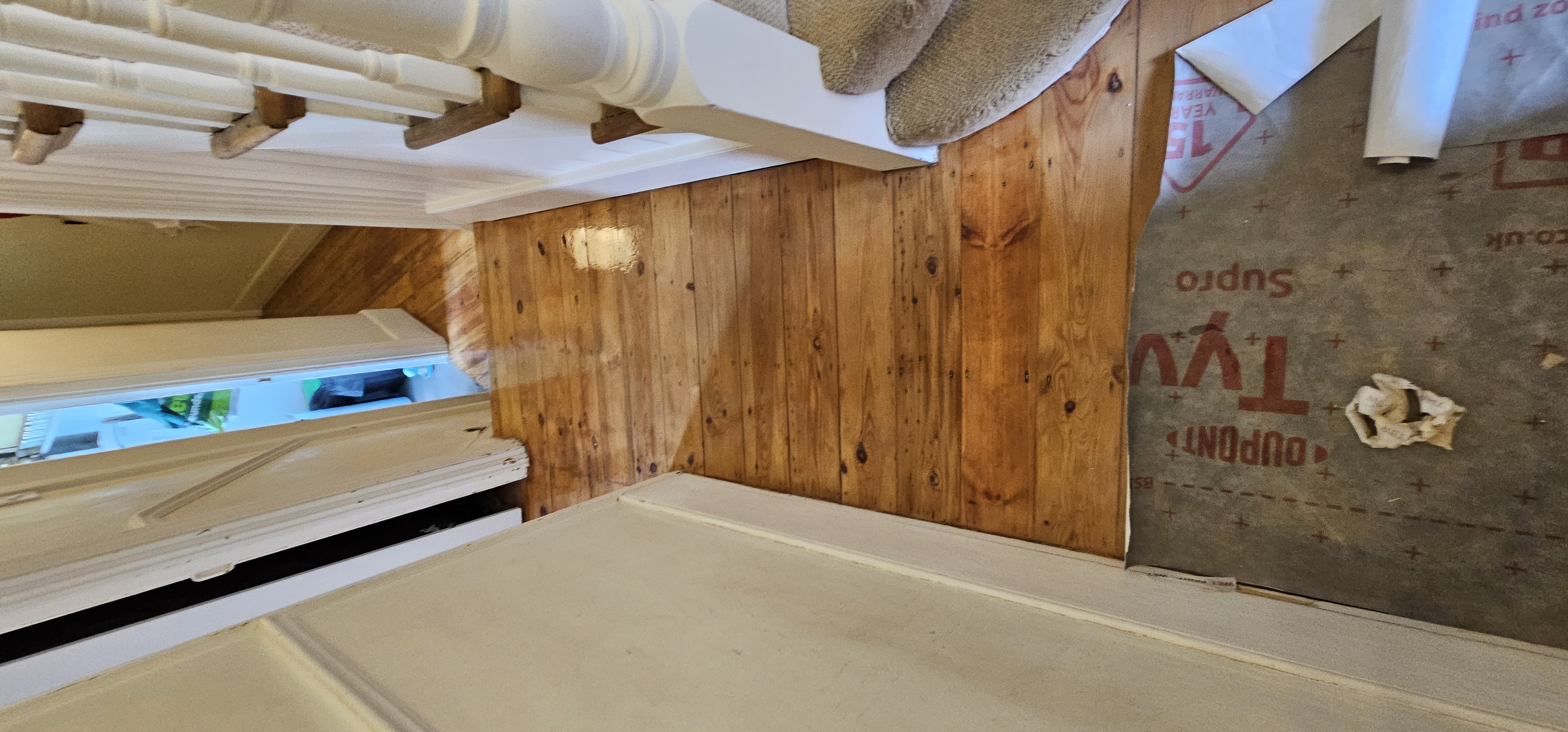
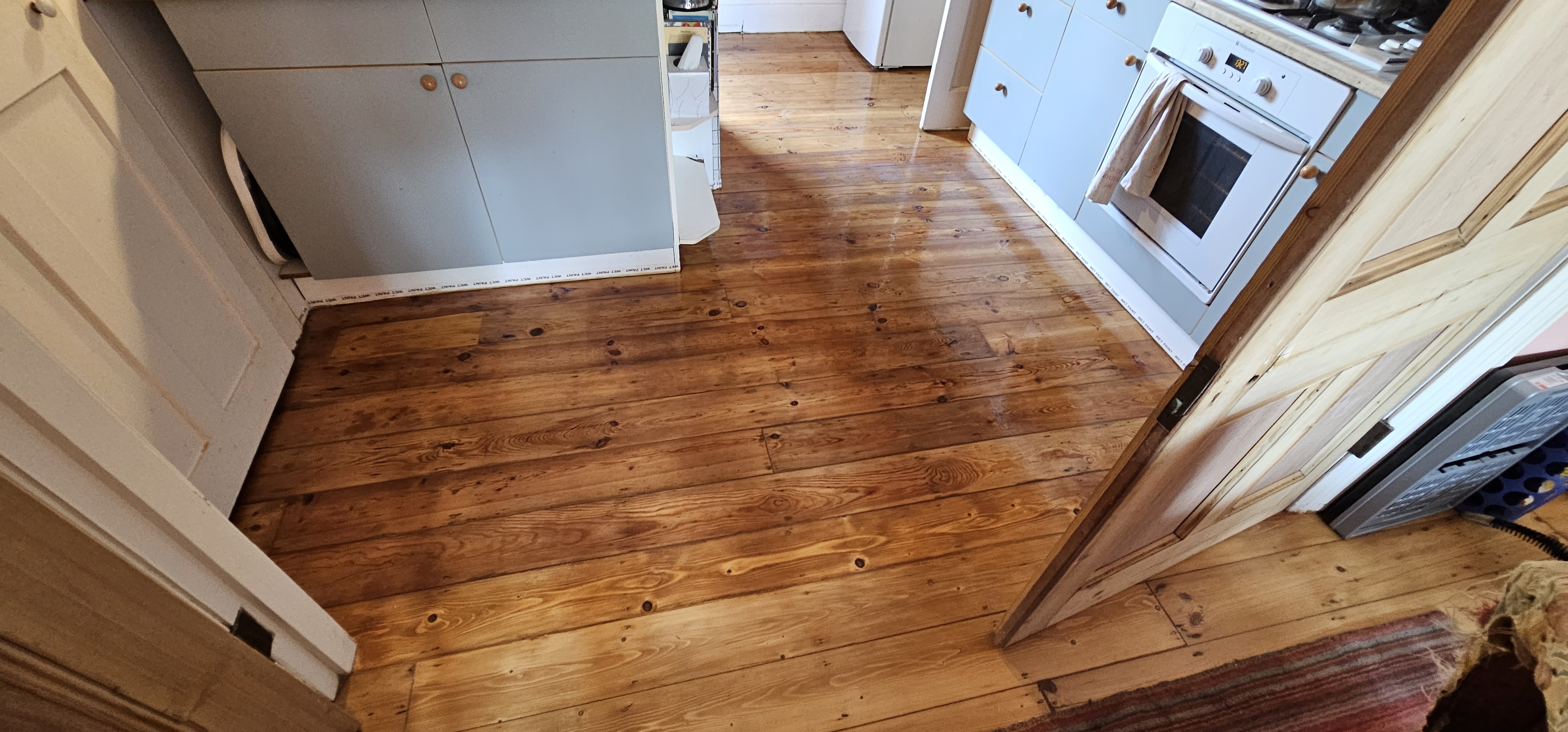
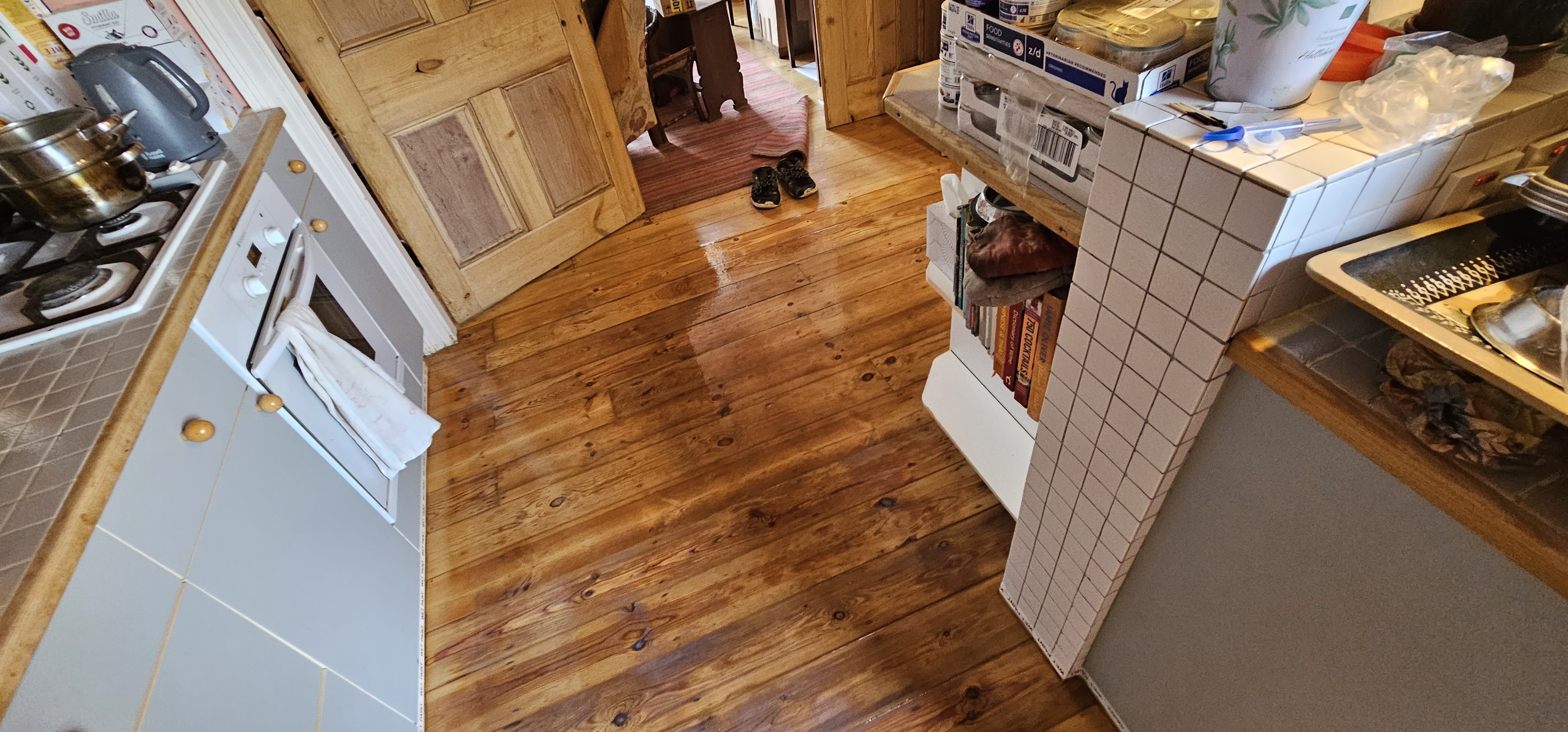
We recently completed a comprehensive floor sanding and oil finishing project in Upper Holloway on a Victorian terraced property. The original engineered hardwood floors had suffered years of wear, with surface scratches and an uneven finish that had dulled the character of the rooms. Our team stripped back the existing coating and sanded the timber to restore its natural appearance, finishing with a protective oil treatment.
Work carried out
- Full floor sanding across three rooms totalling 45 square metres
- Multi-stage sanding process using progressive grit papers
- Edge sanding to corners and perimeter areas
- Dust extraction throughout the sanding process
- Final surface preparation and cleaning
- Application of hardwearing oil finish in two coats
- Curing period monitoring and final inspection
About the project
The property owner had initially considered replacing the floors entirely, but once we explained the potential for restoration, they decided to proceed with professional sanding. The engineered boards were in sound structural condition, which meant sanding was a viable option. The main challenge was managing dust levels in a period property with traditional sash windows and older ventilation. We used dust extraction equipment throughout the work and sealed off doorways to keep disruption contained to the work areas.
The sanding itself required careful technique on engineered flooring, as the veneer layer is thinner than solid wood. We used a drum sander for the main areas and edge sanding equipment for the borders, then hand sanded any remaining irregularities. After achieving the desired finish with fine grit paper, we vacuumed thoroughly and tack wiped the surface before applying the oil. The whole job took five days from start to final coat application, with the floors ready for normal use after a week's curing time.
About our Upper Holloway Engineered Floor Sanding And Oil Finish service
Upper Holloway has a strong mix of Victorian and Edwardian properties, most of which feature period wooden floors. These homes often contain engineered hardwood rather than solid boards, which means a different approach is needed during restoration. We regularly work on properties across the area, from Victorian terraces to Edwardian semi-detached houses and some newer developments. The flooring in these properties tends to be oak, walnut, or mixed hardwoods, sometimes with parquet patterns that require extra attention during sanding.
Working in Upper Holloway means understanding the constraints of period properties, where dust management and noise consideration matter. Victorian properties often have limited space between floors and open-plan living areas, so we plan our work carefully to minimise disruption. Engineered floors are common throughout the area because they were popular in Victorian times as a cost-effective alternative to solid boards, and many have survived decades of use. Our experience with these specific floor types means we know how to achieve good results without risking damage to the veneer layer.
Frequently asked questions
How much does floor sanding cost per square metre?
Sanding engineered floors typically costs between £25 and £45 per square metre, depending on the floor's condition and the finish required. A room with deep scratches or multiple layers of old coating will take longer than lightly worn boards. We provide a fixed quote based on a site visit, so you'll know the exact cost before work begins.
How long does sanding take?
For a standard room of around 20 square metres, sanding and finishing usually takes three to four days. This includes the sanding process, cleaning, and the first coat of oil. The boards need time to cure between coats and before normal use, typically around a week. We schedule projects to minimise disruption to your home during this period.
Is your sanding process dust-free?
We use integrated dust extraction equipment connected to our sanders, which captures the majority of dust at source. This significantly reduces airborne particles compared to uncontrolled sanding. We also seal doorways and manage ventilation carefully to keep dust contained. Some fine dust is inevitable with any sanding work, but our methods keep it to a minimum.
Project Gallery